Deciphering the Future of Coding with AI

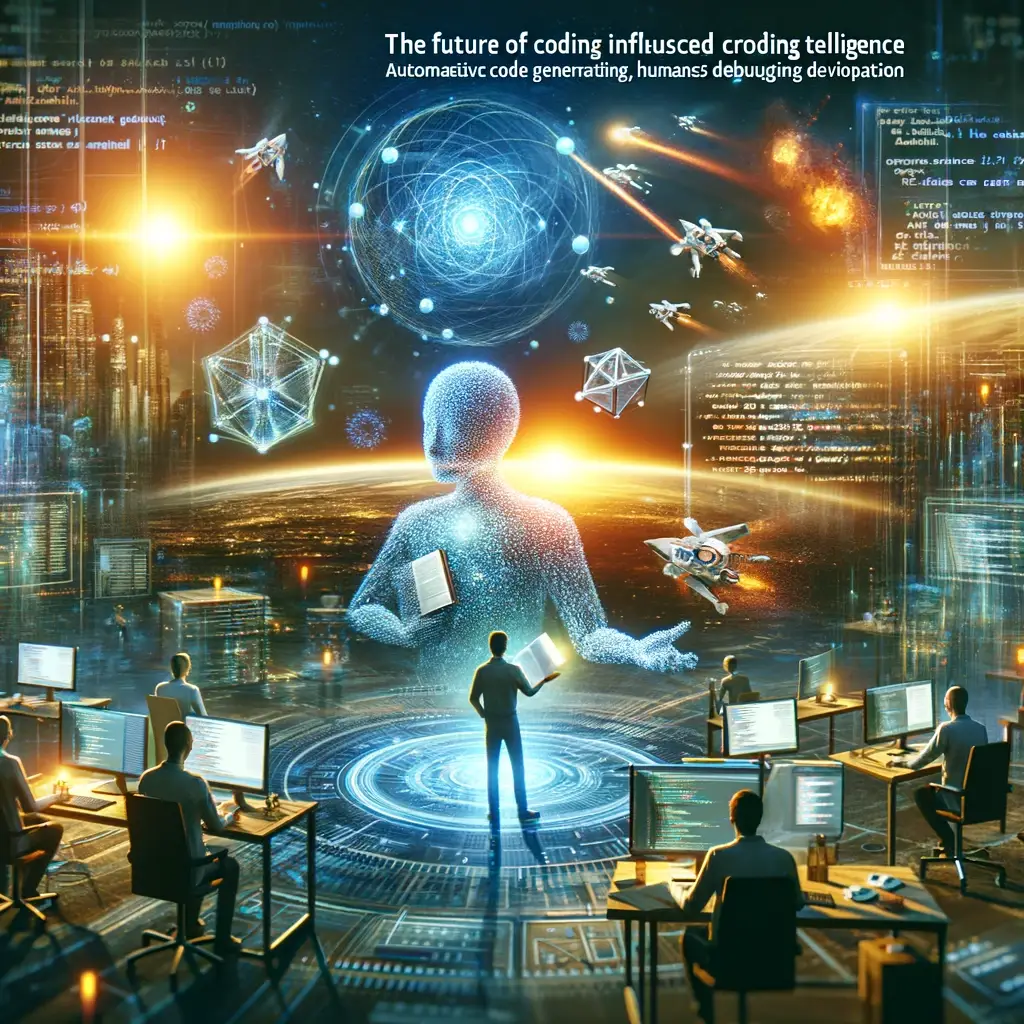
We examine how artificial intelligence is significantly affecting coding. It discusses AI's role in streamlining coding processes, the advantages like increased productivity, improved code quality, and faster development cycles. Additionally, it touches upon the challenges, such as potential biases in automated code generation. The future of coding with AI is portrayed as automated and efficient, promising a transformative impact on software development​

Deciphering the Future of Coding with AI

Artificial Intelligence (AI) is revolutionizing every aspect of our lives, including the world of coding. As technology continues to advance at a rapid pace, AI is playing an increasingly important role in streamlining the coding process, making it more efficient and accessible to a wider range of individuals. In this article, we will explore the impact of AI on the future of coding, and how it is reshaping the way we approach software development.

What is AI?

Before we delve into the specifics of how AI is transforming the coding landscape, let’s first define what AI actually is. AI refers to the simulation of human intelligence processes by machines, particularly computer systems. These processes include learning, reasoning, and self-correction. AI technologies are able to perform tasks that typically require human intelligence, such as visual perception, speech recognition, decision-making, and language translation.

AI is revolutionizing the coding process in a number of ways. One of the most significant impacts of AI on coding is through the use of automated code generation. AI-powered tools are able to analyze code patterns, predict potential errors, and suggest improvements, helping developers write code more efficiently and effectively.

Benefits of AI in Coding

  • Increased Productivity: AI-powered tools can automate repetitive coding tasks, freeing up developers to focus on more complex problem-solving.
  • Improved Code Quality: AI can help identify and fix errors in code, leading to higher-quality software products.
  • Faster Development Cycles: By automating certain coding tasks, AI can help speed up the development process, allowing for quicker release of new software.

Challenges of AI in Coding

While AI offers numerous benefits to the coding process, it also presents some challenges. One of the main concerns with AI in coding is the potential for bias in automated code generation. Developers must be mindful of the fact that AI systems are only as good as the data they are trained on, and biases in the training data can result in biased code generation.

AI continues to advance, the future of coding looks increasingly automated and efficient. Developers can expect to see more AI-powered tools that streamline the coding process, from automated bug detection to intelligent code completion suggestions. AI will also play a key role in enabling developers to build more complex and sophisticated software applications, driving innovation in the tech industry.

In conclusion, AI is set to revolutionize the future of coding by automating repetitive tasks, improving code quality, and speeding up development cycles. Developers who embrace AI-powered tools and technologies will be better equipped to stay competitive in an increasingly fast-paced and dynamic industry. The future of coding with AI is both exciting and full of potential, and it will undoubtedly shape the way we approach software development for years to come.

  • What is AI?

    • AI refers to the simulation of human intelligence processes by machines, particularly computer systems. These processes include learning, reasoning, and self-correction.
  • How is AI revolutionizing the coding process?

    • AI is revolutionizing the coding process through automated code generation, where AI-powered tools analyze code patterns, predict errors, and suggest improvements to help developers write code more efficiently.
  • What are the benefits of AI in coding?

    • Some benefits of AI in coding include increased productivity, improved code quality, and faster development cycles by automating repetitive tasks and identifying errors in code.
  • What challenges does AI present in coding?

    • One of the main challenges with AI in coding is the potential for bias in automated code generation, as AI systems are only as good as the data they are trained on, and biases in the training data can lead to biased code generation.
Share the Post:

Related Posts

Virtual Agents as Sales Strategists - Leo Getz IT

AI and the Art of Upselling: Virtual Agents as Sales Strategists

Dive into the world where AI-driven virtual agents master the art of upselling, turning every interaction into an opportunity for strategic sales enhancement. These virtual sales strategists analyze customer preferences, purchase history, and real-time interactions to suggest complementary products and upgrades that genuinely interest the customer. It’s a delicate balance between insight and intuition, powered by AI, that elevates the shopping experience by offering value-added suggestions that customers appreciate. Virtual agents are not just selling; they’re advising, making every recommendation a step towards a more personalized and satisfying shopping journey.

Read More
How Virtual Agents Reduce Cart Abandonment - Leo Getz IT

Securing the Sale: How Virtual Agents Reduce Cart Abandonment

Navigate the crucial moment of online shopping: the checkout process. Here, virtual agents become invaluable allies in reducing cart abandonment. They understand the hurdles customers face—be it confusion, indecision, or just the need for a slight nudge. Through timely interventions, personalized offers, and answers to last-minute queries, these AI companions gently guide customers across the finish line. This isn’t just about saving sales; it’s about creating a shopping experience so seamless and supportive, customers feel confident and cared for at every step. Virtual agents are redefining the checkout experience, turning potential drop-offs into delighted completions and loyal customers.

Read More